What to Do If Your Furnace Stops Working During Freezing Temperatures
A furnace failure is stressful enough on a mild winter day. When the temperature outside is below freezing, though, losing heat becomes an issue that needs attention sooner rather than later. If your furnace is not working, start with a few basic checks before assuming the system needs a major repair.
Some furnace problems have simple causes, such as a thermostat setting or dirty filter. Others involve electrical, fuel, or mechanical components that aren’t safe or practical to troubleshoot on your own. Don’t get stuck with a furnace that isn’t keeping you warm during the Northern Illinois winters. The steps below can help you figure out what you can check and when it’s time to call for professional help.
Check the Thermostat First
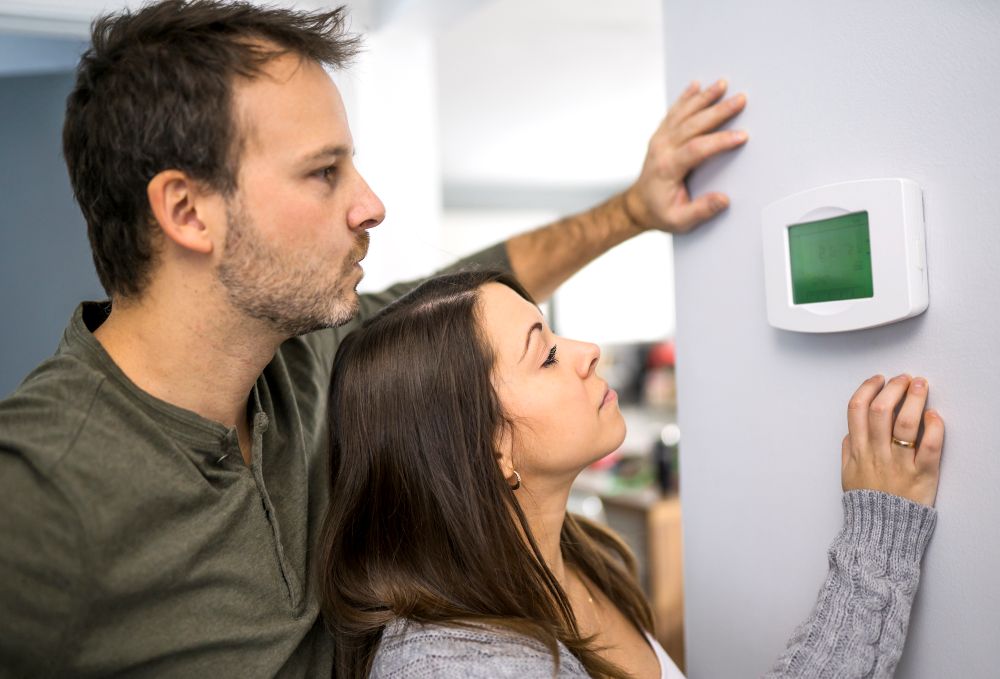
Start with the thermostat because a setting or power issue can prevent the furnace from starting. Make sure it’s set to “Heat,” check that the temperature is set higher than the current room temperature, and confirm that the display is on. If the thermostat uses batteries, replacing them may be worth trying if the display is dim or blank.
Also check the fan setting. If it’s set to “On,” the blower can continue running even when the furnace isn’t actively heating, which may make the air from the vents feel cool. Set the fan to “Auto” and give the system a few minutes to respond.
Inspect the Circuit Breaker & Power Supply
A tripped circuit breaker can shut down a furnace even when there isn’t an obvious problem with the equipment. Look at the electrical panel and see whether the furnace’s breaker has moved to the middle or off position. If it has tripped, you can reset it once.
If the breaker trips again, don’t keep resetting it. Repeated trips can point to an electrical or equipment problem that needs to be diagnosed by a professional. It’s better to leave the system off than risk creating a larger electrical issue.
Replace or Clean the Air Filter
Take a look at the furnace filter if you haven’t changed it recently. A filter covered with dust can restrict airflow, making the furnace work harder and potentially causing it to overheat. Some furnaces respond to overheating by shutting down the burners as a protective measure.
If the filter is dirty, replace it with the correct size and type for your system. This is one of the few furnace troubleshooting steps that most homeowners can handle without opening up the equipment or working with electrical or fuel components.
Verify the Fuel Supply
If you have a gas, propane, or oil furnace, make sure there is an available fuel supply. An empty propane or oil tank can obviously leave the system without the fuel it needs, while a gas furnace can be affected by an interruption in service or another supply issue.
Don’t attempt to work on gas lines, fuel valves, or other components you’re not qualified to handle. If you smell gas or suspect a gas leak, leave the area and follow appropriate emergency procedures rather than trying to locate or repair the problem yourself.
Check Vents & Registers for Blockages
Walk through the house and check the supply vents and registers. Furniture, rugs, boxes, or other household items can sometimes block them and interfere with airflow. Make sure the registers are open and that nothing is covering them.
It’s also worth checking whether some rooms are receiving heat while others aren’t. A major difference in airflow can provide a useful clue, although it doesn’t necessarily tell you where the underlying problem is. If the furnace is running but airflow remains weak throughout the home, professional service may be needed.
Look for Furnace Error Codes
Modern furnaces often have diagnostic lights or displays that can provide information about a malfunction. If your furnace has an error code, look at the manufacturer’s information to determine what it means.
You don’t need to diagnose the entire system based on a code. Write down the code or take a picture of the display so you can give the information to the technician. That can make it easier to explain what happened when you call for service.
How to Stay Warm While Waiting for Repairs
If the furnace can’t be restored quickly, focus on keeping the household safe and limiting heat loss. Close doors to rooms you’re not using, keep exterior doors and windows closed, and use blankets and warm clothing rather than relying on unsafe heating methods.
Portable space heaters can provide temporary heat when used according to the manufacturer’s instructions. Keep them on a stable surface, away from curtains, bedding, furniture, and other combustible materials, and don’t leave them unattended. Never use an oven, grill, or outdoor heating equipment to heat your home.
If freezing temperatures are expected to continue, protect plumbing by taking reasonable steps to prevent pipes from freezing. If the home becomes dangerously cold, consider staying somewhere warm until the heating system can be repaired.
When to Call for Emergency Furnace Repair
A furnace that won’t start isn’t always an emergency, but freezing temperatures can change the situation. If the home temperature is dropping quickly, you have young children, older adults, or other vulnerable household members in the home, or you’re concerned about frozen pipes, prompt service may be appropriate.
You should also seek immediate professional assistance when you notice a gas odor, smoke, burning smells that don’t go away, sparks, electrical damage, or other signs of a potentially dangerous problem. Don’t try to take apart the furnace or bypass a safety control to get the heat running again.
McHenry Heating & Air Conditioning has served homeowners in the area since 1998. Our team provides heating services for homeowners throughout McHenry County and surrounding communities, including McHenry, Crystal Lake, Woodstock, and Algonquin.
Schedule Furnace Repair When You Need It
When your furnace stops working during a cold snap, you don’t want to spend hours guessing at the cause. A few basic checks may get the system running again, but problems involving electrical components, fuel, ignition, or internal furnace parts are better left to a qualified HVAC professional.
McHenry Heating & Air can help diagnose a heating system failure and determine what needs to happen next. If your furnace isn’t working and you need winter furnace repair, contact our team for service.
Frequently Asked Questions
Here are answers to a few common questions homeowners have when a furnace stops working during freezing weather.
What Should I Check First When My Furnace Stops Working?
Start with the thermostat. Make sure it’s set to Heat, the temperature is set above the current room temperature, and the thermostat has power. From there, you can check the circuit breaker and air filter before calling for professional service.
How Can I Keep My Home Warm During a Furnace Outage?
Close doors to unused rooms, keep windows and exterior doors closed, and use blankets and warm clothing to conserve body heat. A portable space heater can provide temporary warmth when used safely and according to its instructions. Never use an oven, grill, or other appliance designed for outdoor use to heat the home.
Can Freezing Temperatures Damage My Home if the Furnace Is Not Working?
Yes. Extended exposure to freezing temperatures can increase the risk of plumbing problems if water lines freeze. If the furnace outage is likely to last, take steps to limit heat loss and consider staying somewhere warmer while repairs are being completed.
Should I Attempt Furnace Repairs on My Own?
Basic checks such as adjusting the thermostat, resetting a tripped breaker once, or replacing a dirty filter are generally reasonable for homeowners. Internal furnace repairs, electrical work, gas-related work, and attempts to bypass safety controls should be handled by a qualified HVAC professional.